
EXPERIENTIAL MARKETING / EVENT STRATEGY / ART DIRECTION
Celebrating our organization through a fashion-editorial banquet.
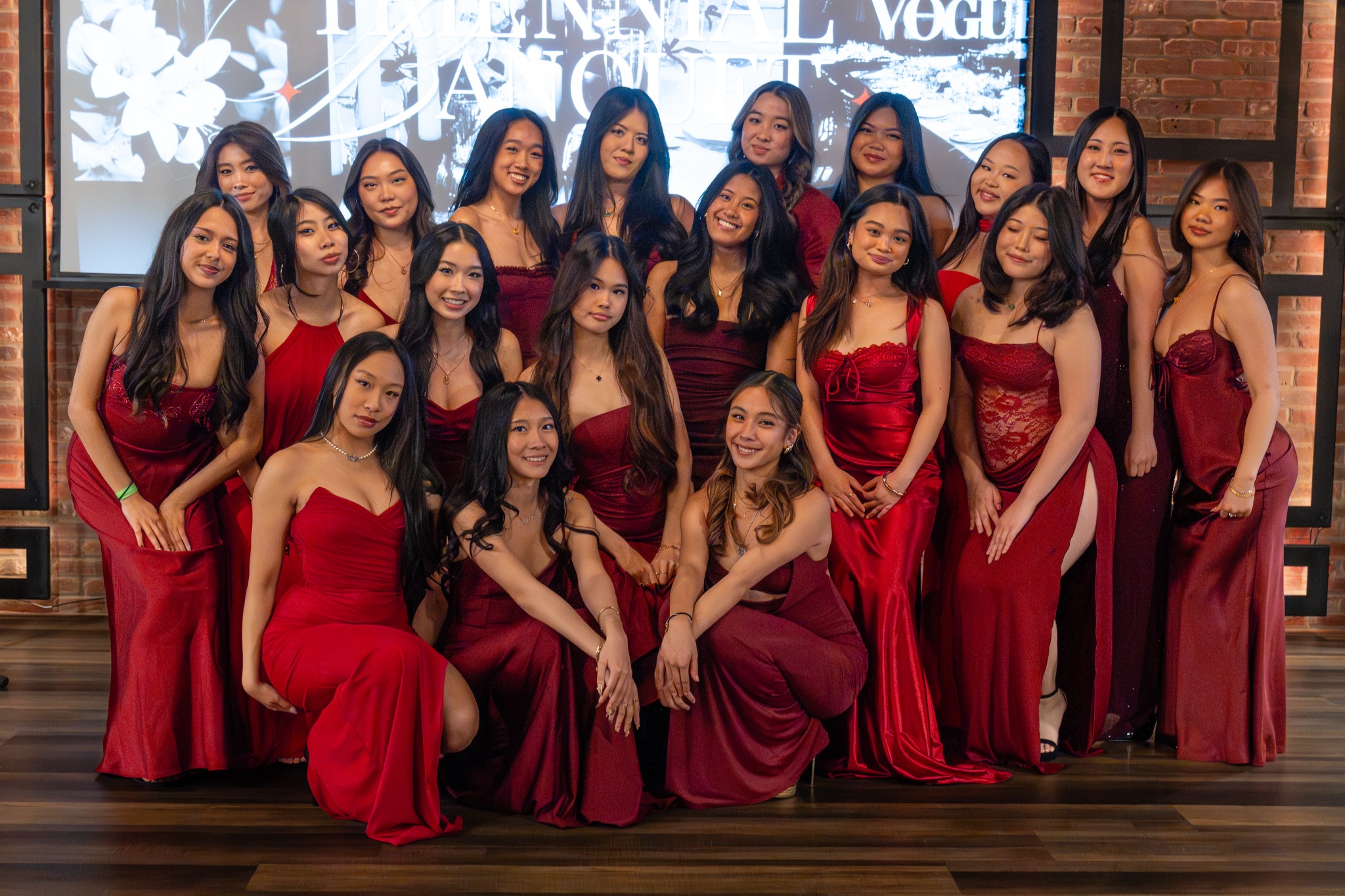
For Sigma Psi Zeta’s 24th Year Triennial Banquet, I led the creative direction and event planning for a celebration designed to honor our organization and bring members together. I chose a Vogue and Met Gala-inspired theme to make the evening feel elevated and memorable while keeping the sorority’s signature red at the center of the experience.
MY ROLE
Event lead · Creative direction · Event production · Graphic design · Ticketing and finances
PROJECT
Sigma Psi Zeta Sorority, Inc. — 24th Year Triennial Banquet (2026)
CORE RESPONSIBILITIES
Theme and branding · Venue research and deposits · Floor plan and décor · Entertainment and interactive activations · Invitations and photostrips · Ticket sales and event finances · Run of show
01. The Goal: Celebrate the Organization
The starting point for this project was simple: I wanted the banquet to feel like a genuine celebration of Sigma Psi Zeta. Beyond bringing everyone into one room, I wanted members and guests to experience a night that recognized the organization, created shared memories, and felt worthy of a milestone gathering.
I approached the banquet as both an organizational event and an experiential design project. Every decision, from the venue and seating layout to the invitation and photo booth, needed to support a cohesive evening, not just look impressive on its own.
02. The Creative Direction: Vogue, Met Gala, and Our Signature Red
I specifically chose a Vogue / Met Gala-inspired direction because I wanted to give a traditional banquet the energy of a fashion editorial: dramatic imagery, formal styling, strong typography, and visual moments guests would want to photograph.
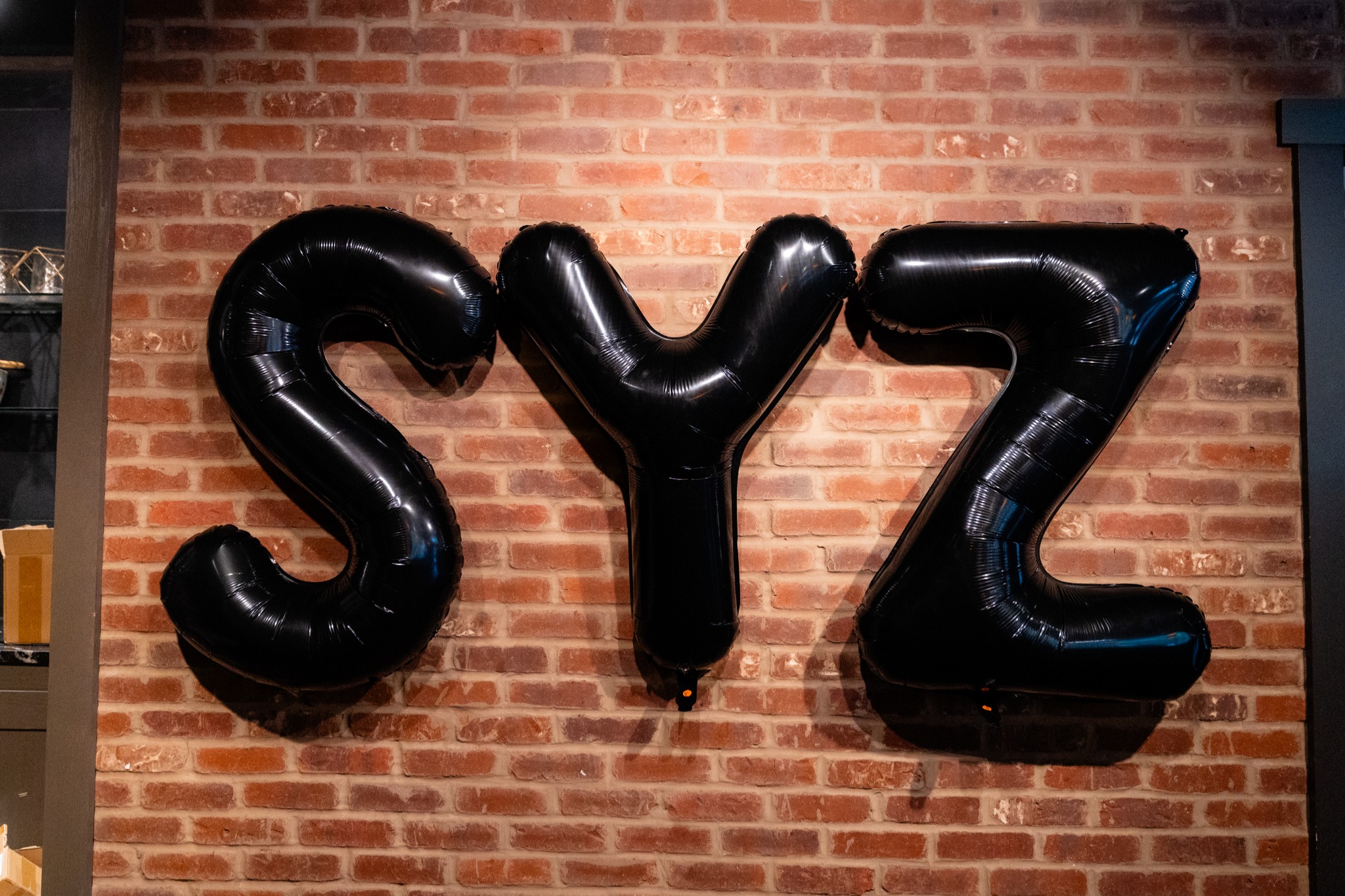
At the same time, I didn’t want the theme to erase who we were celebrating. Red is central to Sigma Psi Zeta’s branding, so I used it as the through-line of the evening. The combination of red accents, oversized Greek-letter décor, an editorial-inspired stage backdrop, and the existing character of the venue gave the event a recognizable identity of its own.
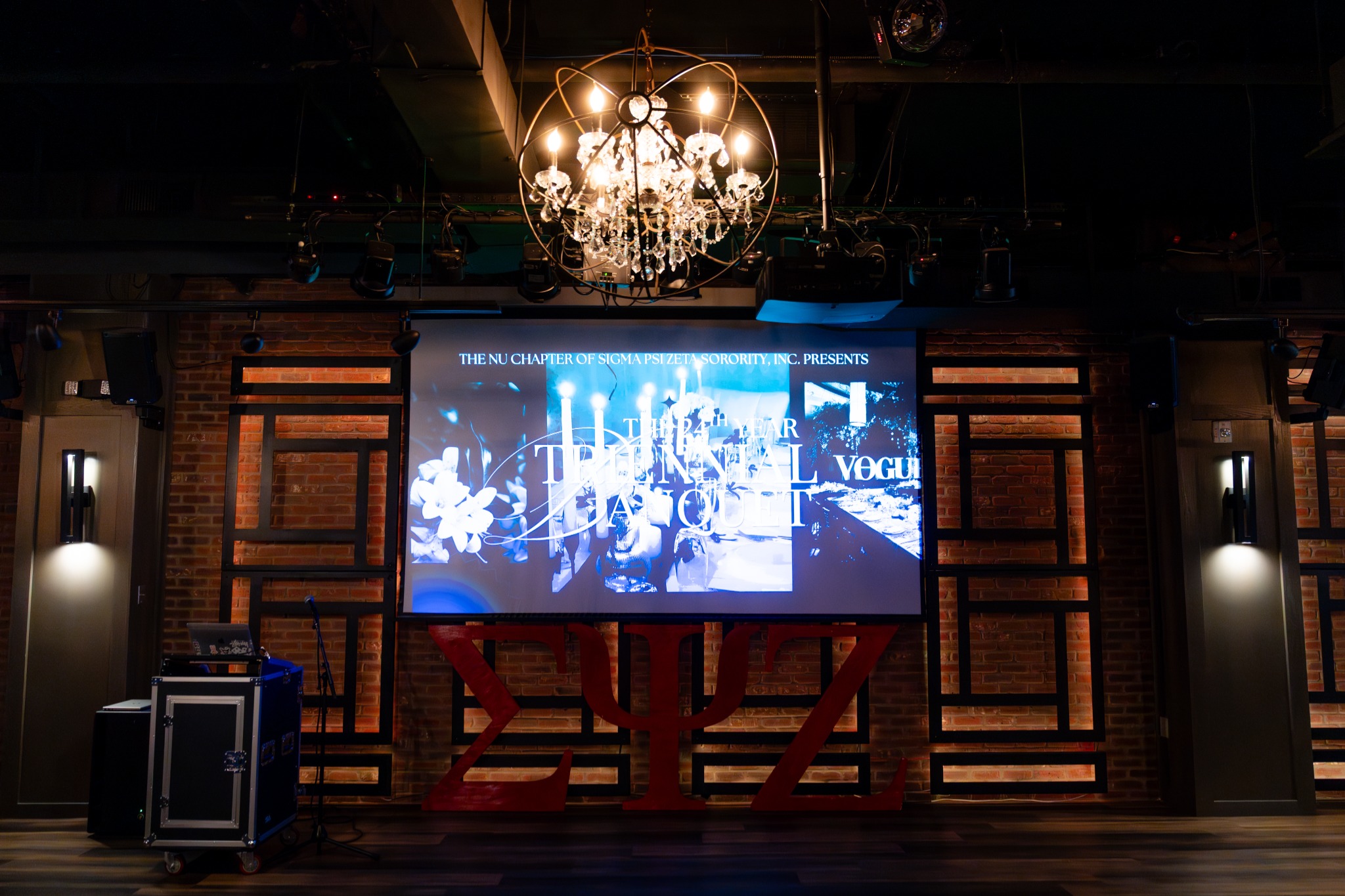
The goal was an elevated atmosphere that still unmistakably belonged to Sigma Psi Zeta—not a generic gala with a logo placed on top.
03. Venue, Layout, and Production Planning
Once I established the creative direction, I worked backward from the guest experience. The venue had to accommodate seated programming, performers, photo activations, and natural movement between moments of the evening. I researched venue options, managed deposits, and helped determine how the space would be laid out.
I also handled the practical decisions that often determine whether an event runs smoothly: aligning vendors and décor with the venue, organizing the schedule, and keeping payments and other event commitments on track.
- Venue and booking: Researched possible locations, assessed fit for the event, and coordinated down payments and booking details.
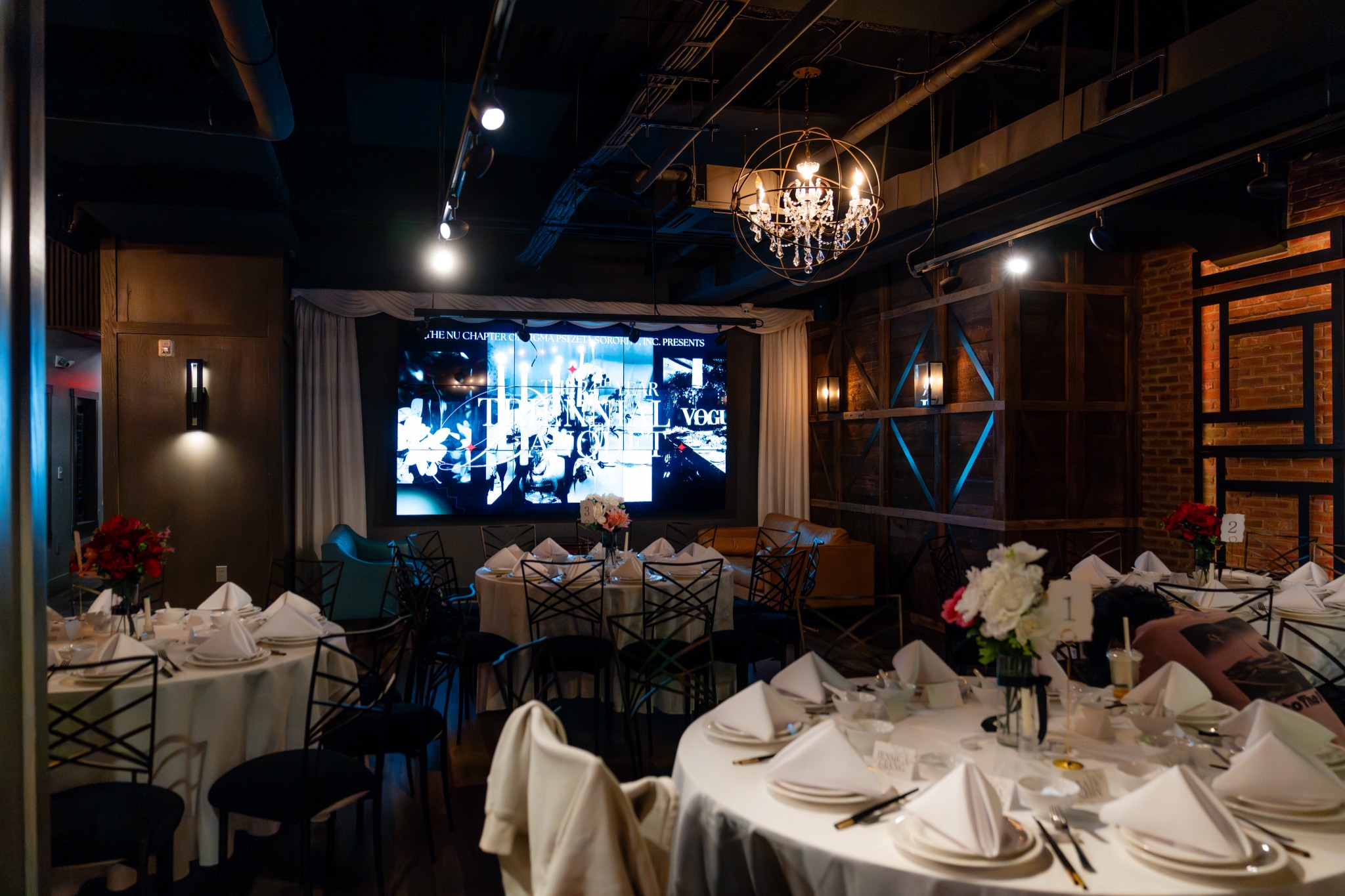
- Floor plan and atmosphere: Made decisions about seating layout, stage visibility, décor placement, and the overall visual flow.
- Financial coordination: Managed ticket sales and event money alongside purchases, deposits, and other planning costs.
- Event schedule: Planned the sequence of the evening so performances, recognition moments, and interactive experiences fit together.
04. Branding and Design: One Identity Across Every Touchpoint
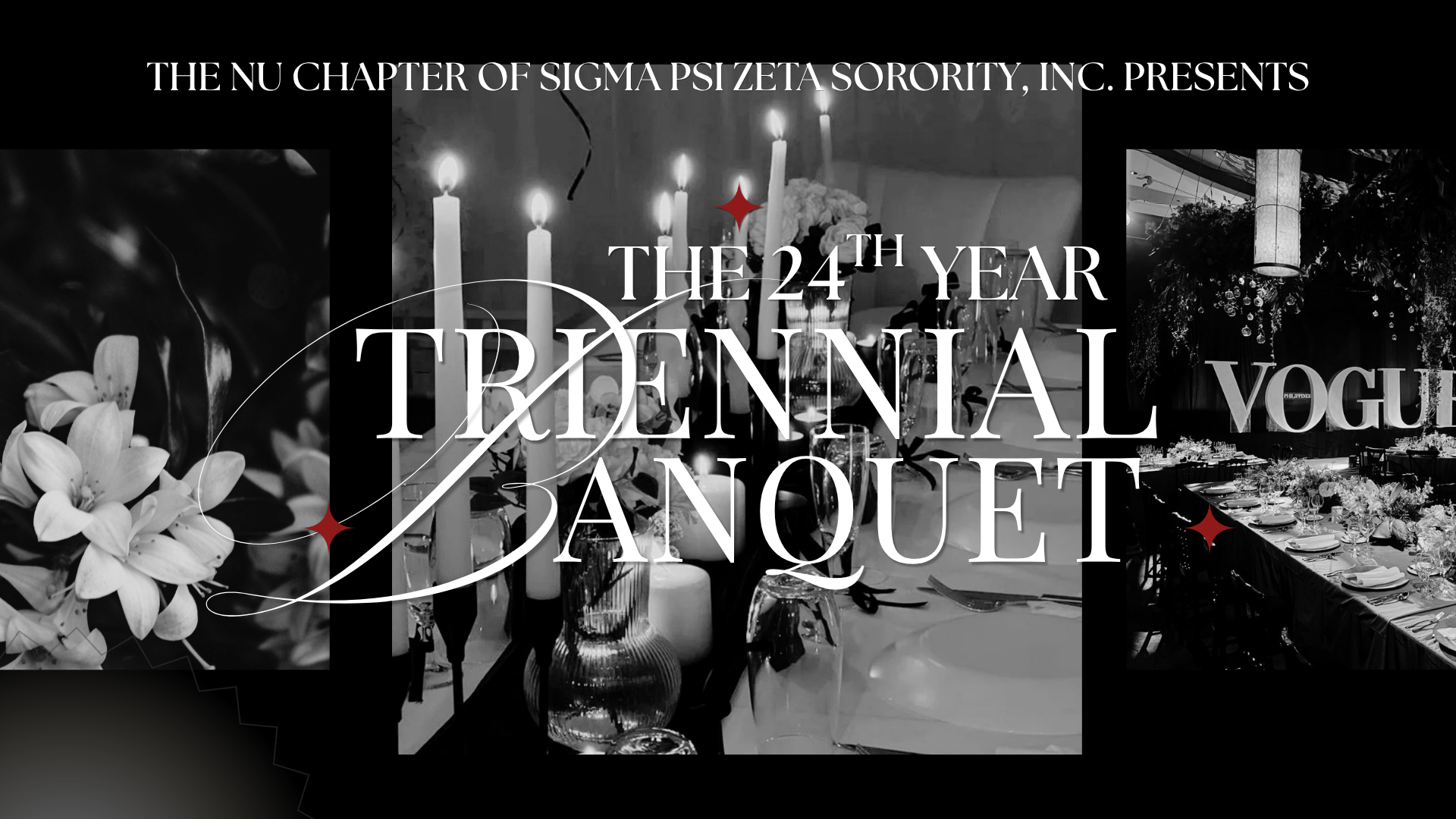
I wanted the banquet to have its own visual identity, not simply a formal dress code and a decorated venue. With a Vogue and Met Gala-inspired concept, I approached the design like an editorial campaign: dramatic compositions, sophisticated serif typography, black-and-white imagery, and small red accents. The challenge was making the evening look elevated while still keeping Sigma Psi Zeta recognizable.
The main visual: Setting the tone
I designed the central banquet graphic to introduce the mood of the event before guests even arrived. The layered imagery, oversized type, and restrained use of red took inspiration from fashion editorial layouts, while the chapter name and banquet title kept the design grounded in the organization we were celebrating.
Carrying the identity across touchpoints
I designed the event’s visual materials, including its main graphic, invitations, promotional assets, and custom photo strips. My goal was for guests to encounter the same creative direction before, during, and after the banquet, rather than seeing separate graphics that didn’t feel connected.
- Editorial identity: Built a recognizable theme through type, photography, and careful red accents.
- Invitations and promotion: Used the event’s branding to communicate its tone and build anticipation.
- Photo-strip design: Created a branded template that turned the photo booth into a guest experience and a take-home memento.
- On-site visuals: Connected the screen graphics and decorative elements to the larger event identity.
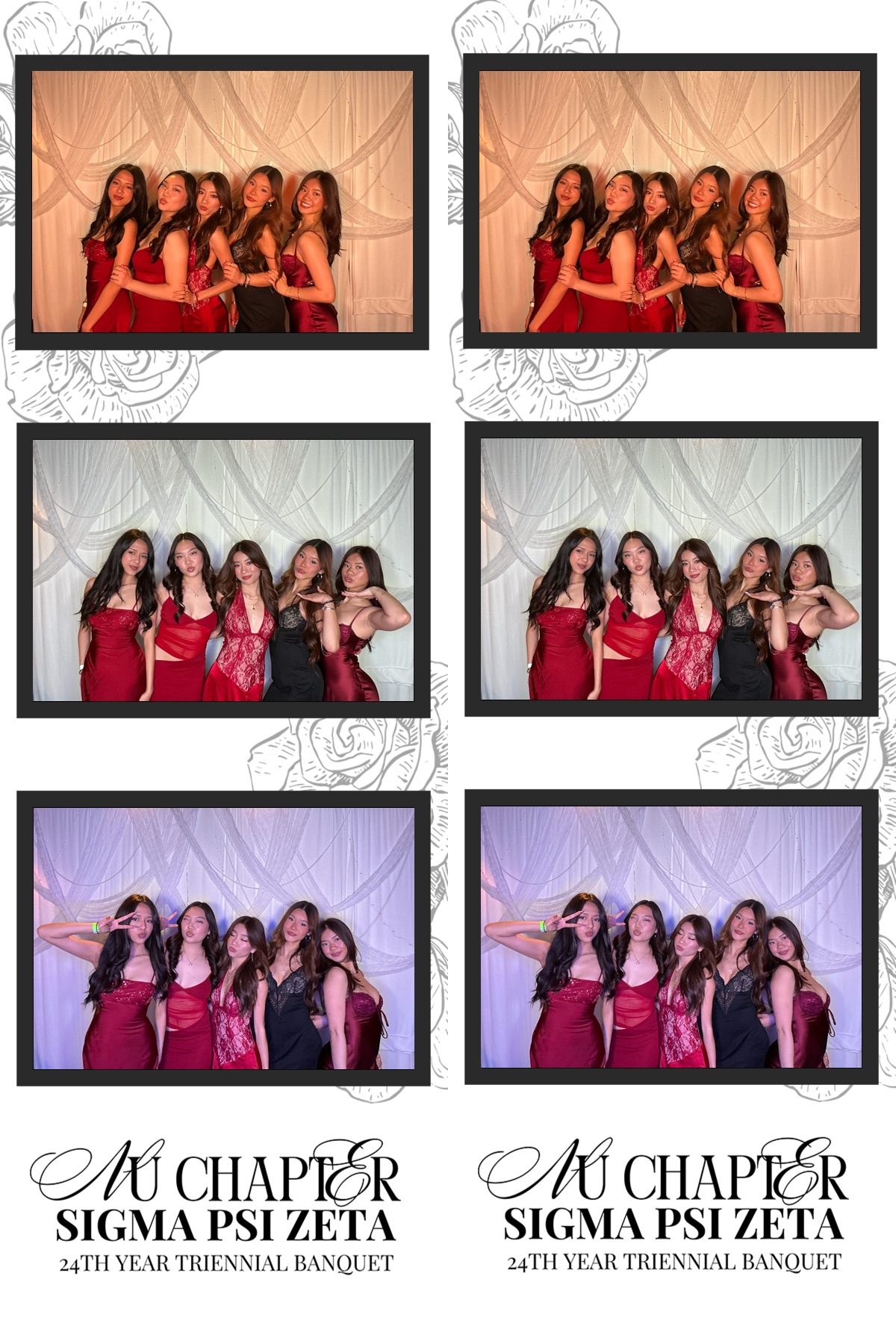
For me, branding was not just decoration. It helped create a consistent atmosphere and gave guests tangible ways to remember the celebration. The photo strips are a good example of how the event’s creative direction translated into something people could actually interact with and keep.
05. Designing Experiences Beyond the Dinner
I wanted guests to have more to engage with than a formal dinner. I planned activations and programmed moments that would make the night feel celebratory, personal, and interactive.
- Photo booth and 360-camera concept: Planned interactive photo experiences to give guests fun ways to document the night.
- Performances: Coordinated entertainment and worked these moments into the event schedule.
- Superlatives and recognition: Organized playful awards and other moments to celebrate the people who make up the organization.
- Guest favors: Considered take-home gifts and memorable details that extended the experience past the event itself.
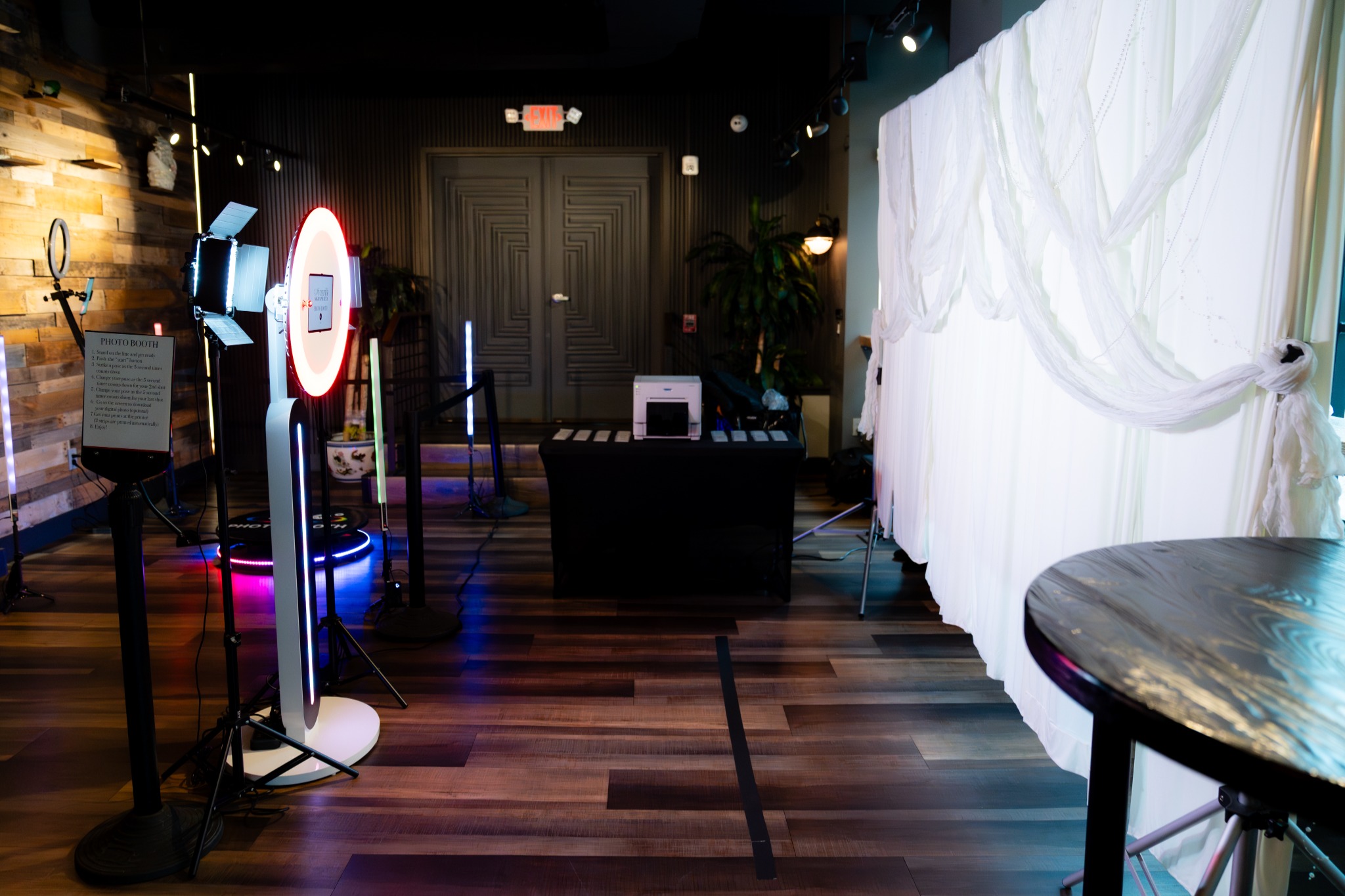
These details supported a larger intention: I wanted the event to be both elevated and enjoyable. A formal setting should not prevent people from having fun together.
06. My Planning Process: From Concept to Day-Of Execution
Managing an event at this scale required more than a theme. I worked through a sequence of interconnected tasks, using the overall vision to guide what needed to be decided and completed next.
First: Define the vision and guest experience
I began with the celebration’s purpose, selected the Vogue / Met Gala-inspired direction, and decided how to carry Sigma Psi Zeta’s red branding throughout the event.
Second: Secure the foundation
I researched and compared venues, worked through booking details and deposits, and planned the layout around dining, entertainment, and activations.
Third: Design the visual identity
I created the event logo and supporting graphics, including invitations and photo-strip designs, so every public-facing touchpoint would feel consistent.
Fourth: Coordinate vendors and programming
I arranged décor details, performances, and photo experiences while planning the schedule and the interactive elements, including superlatives.
Fifth: Manage ticketing and final logistics
I oversaw ticket sales and event money, tracked what still needed to be paid or completed, and coordinated final details for the venue and guest experience.
Finally: Bring the event together
On the day, the focus moved from planning documents to execution: making sure the room, visual elements, programming, vendors, and guest-facing experiences worked as one event.
07. The Result: A Banquet that Felt Like Sigma Psi Zeta
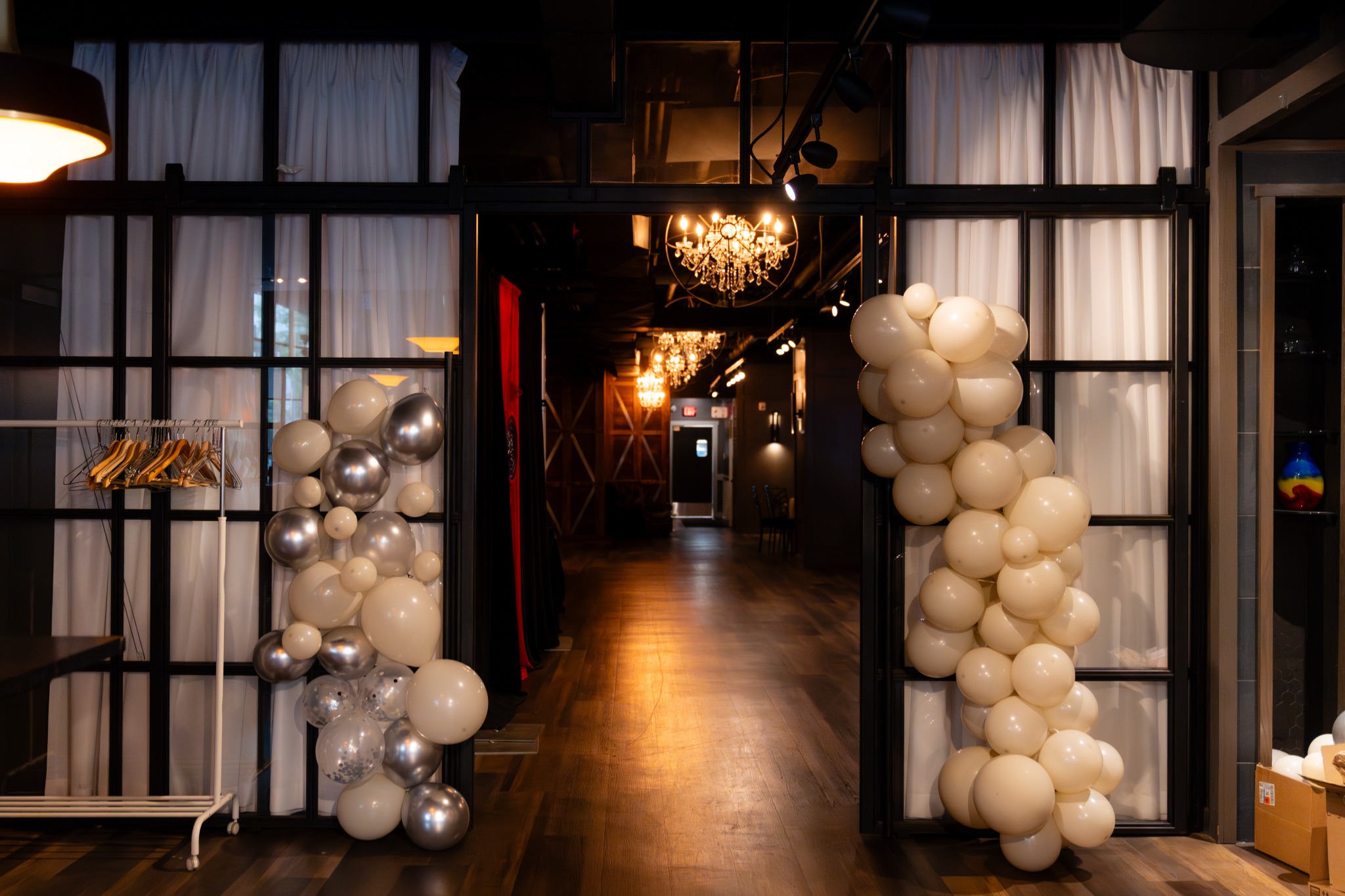
The finished space brought together editorial-inspired visuals, a coordinated red identity, banquet décor, photography moments, and an evening designed around celebrating the organization. The visuals show the stage, seating, entrance details, and member experiences that came out of the planning process.
For me, this project demonstrates the overlap between creative strategy, graphic design, event operations, and financial responsibility. I was responsible for both imagining the experience and organizing the practical work required to make it happen.

My biggest takeaway was that memorable events are built through intentional choices at every scale—from the big theme to the smallest guest touchpoint. I wanted this celebration to feel like an occasion, but more importantly, I wanted it to feel like our occasion.
Explore more of my event marketing, creative strategy, and visual design work.

